
How to Choose the Right MOLYKOTE® Lubricant: Greases, Pastes, Coatings and Oils
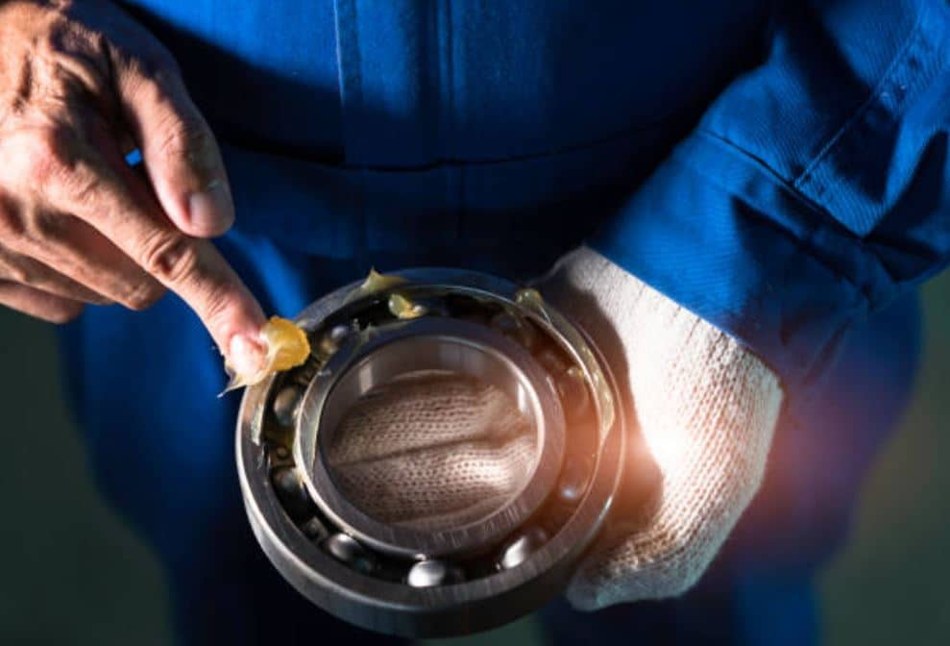
Choosing the right lubricant is one of the simplest ways to extend equipment life. MOLYKOTE® offers greases, pastes, dry-film coatings, dispersions and oils. Each one solves a different problem. This guide explains when to use which.
Greases: continuous lubrication of moving parts
A grease is a base oil held in a thickener. It stays where it is applied, which makes it the default choice for rolling bearings, slides, gears and mechanisms that run continuously. When choosing a grease, look at:
- Base oil: mineral oil for general use, synthetic hydrocarbon or ester for a wider temperature range, silicone for plastics and elastomers, and PFPE for extreme temperatures and aggressive chemicals.
- Operating temperature: both the lowest start-up temperature and the highest continuous temperature.
- Material pairing: metal/metal, plastic/metal or plastic/plastic. Plastic-compatible greases avoid stress cracking and swelling.
- Approvals: NSF H1 for areas with possible incidental food contact.
Pastes: assembly, running-in and anti-seize
Pastes contain a high share of solid lubricants such as MoS2, graphite or white solids. They protect surfaces under very high loads and low speeds, during press fitting and running-in, and on threaded fasteners that must come apart after high-temperature service. Choose a metal-free or white paste when appearance or contamination matters.
Anti-friction coatings: dry, clean lubrication
Anti-friction coatings (AFCs) work like a paint that contains solid lubricants. Once cured, they leave a dry film that does not attract dust and does not migrate. Use them where oil or grease is not acceptable, for lifetime lubrication of small parts, or for oscillating motion under high load.
Oils, dispersions and sprays
Oils penetrate where grease cannot reach, for example into chain links and tight clearances. Dispersions carry solid lubricants in a fluid for extra protection. Sprays make maintenance faster in hard-to-reach places.
Quick selection checklist
- Define the motion: rotating, sliding, oscillating or static (assembly).
- Note the load, speed and temperature range.
- Identify the materials in contact.
- Check the environment: water, chemicals, dust, vacuum or food contact.
- Confirm the choice against the manufacturer's technical data sheet.
Not sure which product fits your application? Browse our MOLYKOTE® range or send us a quote request with your operating conditions.
Send us your application details and we will get back to you with a quote.