
Conformal Coatings Explained: How to Protect Printed Circuit Boards
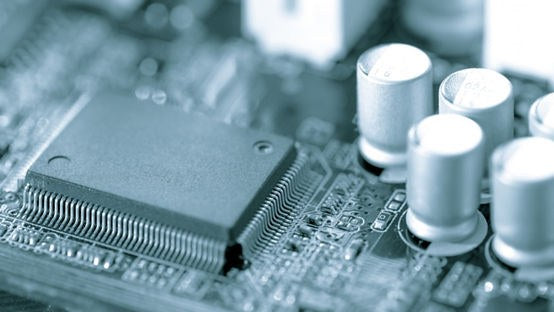
Printed circuit boards face moisture, dust, salt and chemical vapors. Conformal coatings are thin protective films that follow the shape of the assembled board. They keep these contaminants away from conductors and components. This article covers the main coating chemistries and how to choose between them.
Main coating types
- Acrylic (AR): easy to apply and easy to remove for rework. Good general moisture protection and a common first choice.
- Silicone (SR): flexible over a very wide temperature range. Well suited to high-temperature areas and parts exposed to thermal cycling.
- Urethane (UR): strong resistance to chemicals and abrasion, but harder to rework.
- Epoxy (ER): very hard and chemically resistant. Mostly used where rework is not expected.
Selection criteria
- Environment: humidity, condensation, salt spray, fuels or solvents.
- Temperature: continuous operating range and thermal cycling.
- Reworkability: will boards be repaired in the field?
- Process: brush, spray, dip or selective robotic coating; air, heat or UV curing.
- Inspection: coatings with a UV tracer make coverage checks fast and reliable.
Application tips
- Clean boards thoroughly. Flux residues and fingerprints cause poor adhesion and failures under the coating.
- Mask connectors, test points and adjustable components before coating.
- Follow the recommended film thickness. Too thin gives poor protection; too thick can crack or trap solvent.
- Allow full cure before testing or packaging.
Explore our conformal coatings, or contact us for help matching a coating to your application.
Need help choosing a product?
Request a Quote
Send us your application details and we will get back to you with a quote.